Monarda didyma Mixed (Bee Balm/Bergamot)
Monarda didyma Mixed (Bee Balm/Bergamot)
Couldn't load pickup availability
Share
Monarda didyma 'Mixed' Seeds
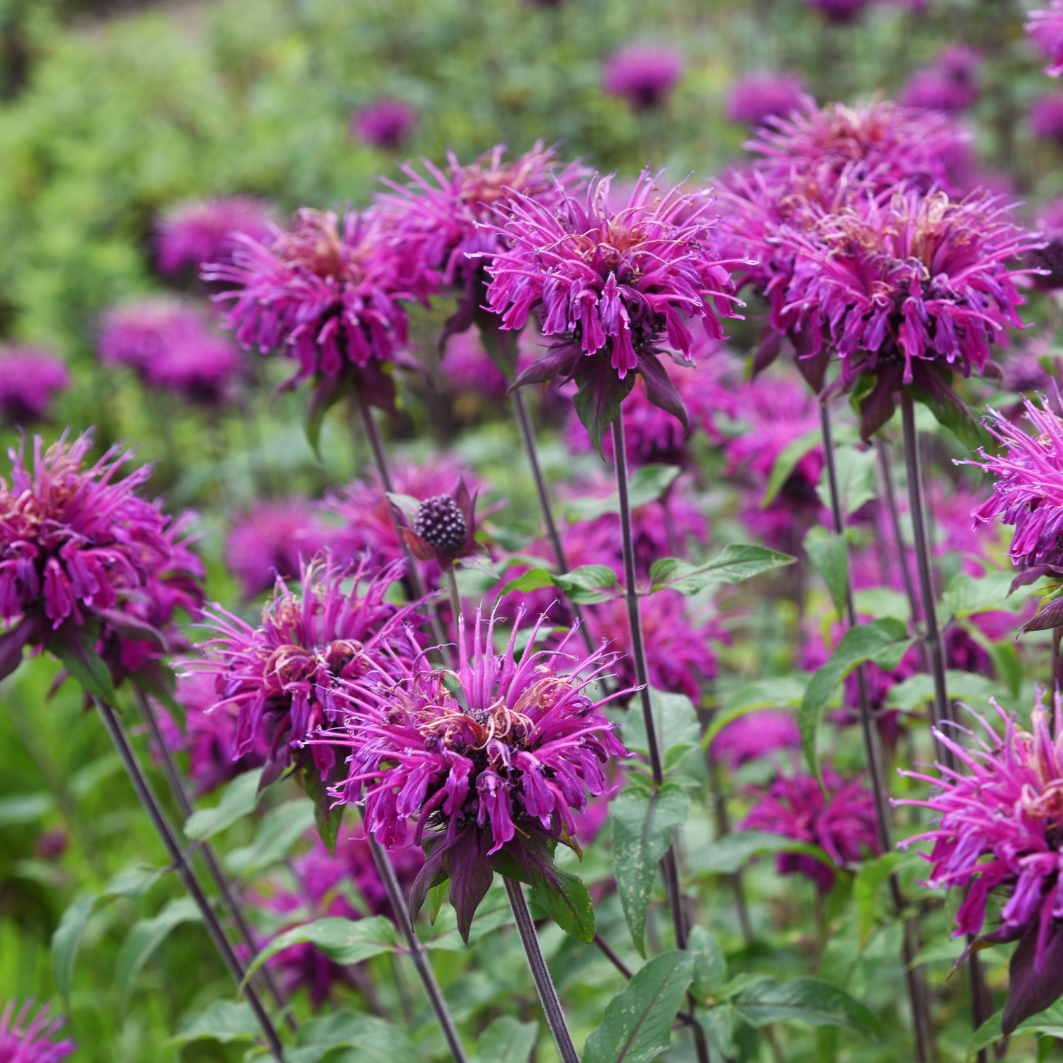
If you love the smell of Earl Grey tea, you need this plant. Monarda didyma (commonly known as Bee Balm or Bergamot) is a stunning hardy perennial that produces whorls of tubular flowers that look like funky, shaggy crowns in vibrant shades of scarlet-red, pink, violet, and white.
But the real magic is in the leaves. Brush past them, and they release a powerful, citrus-spice aroma exactly like the bergamot orange used to flavour tea. It is a plant that works hard on every level: it looks architectural, smells divine, and is widely considered one of the top five plants for attracting bees and butterflies in the UK.
Read More
🌿 Understanding the Plant
Monarda is a clump-forming Hardy Perennial.
It dies back to the ground in winter and shoots up again every spring, slowly spreading outwards to form a large, impressive patch.
The "Mildew" Myth: Older varieties of Monarda were prone to powdery mildew (white dust on leaves) if they got too dry. Modern seed strains are much more resistant, but they still appreciate soil that holds moisture. Don't let them dry out completely in summer!
Top Tip: The flowers are edible! Pull the individual tubes out of the flower head and sprinkle them on salads for a pop of spicy colour.
🌱 Growing Guide: How to Sow and Grow
Monarda is easy to grow from seed but needs a little patience to establish.
Germination:
Sow indoors from February to May. Surface sow onto moist compost and do not cover (or use a tiny dusting of vermiculite), as they need light to germinate. Keep warm (20°C). Germination takes 10-21 days.
Where to Sow:
They thrive in sun or partial shade. They prefer rich, moisture-retentive soil. They are perfect for clay soils that stay damp, or woodland edges where they get dappled light.
Care While Growing:
Mulch: In spring, put a thick layer of mulch (compost or bark) around the base of the plants. This traps moisture in the soil and prevents mildew.
Divide: Every 3 years, dig up the clump in spring and split it into smaller pieces. Replant the healthy outer sections and discard the woody centre to keep the plant vigorous.
📋 Plant Specifications
| Latin Name | Monarda didyma |
| Common Name | Bee Balm / Bergamot |
| Hardiness | H4 (Hardy Perennial) |
| Light Required | Sun / Part Shade ⛅ |
| Height | ↕️ 80cm - 90cm (Tall) |
| Spread | ↔️ 45cm |
| Spacing | 🌱 45cm apart |
| Great for | 🐝 Pollinators 🍵 Herb Gardens 🧱 Clay Soil 👃 Scented Foliage |
| Seed Count | Approx. 90 seeds per packet |
🤝 Perfect Garden Companions
Monarda has a "shaggy" appearance that looks great with structured plants or other prairie styles:
- 🍂 Rudbeckia 'Marmalade': The Prairie Look. Both plants originate from North America and thrive in similar conditions. The golden daisies of Rudbeckia contrast beautifully with the spiky red/pink whorls of the Monarda.
- 💜 Verbena Bonariensis: The Pollinator Buffet. Planting these two together creates the ultimate nectar station. The tall, airy purple Verbena floats above the dense, leafy clumps of Monarda, adding height and movement.
📅 Sowing & Flowering Calendar
Sow indoors in spring. Plants establish in Year 1 and flower fully from Year 2 onwards.
| Month | J | F | M | A | M | J | J | A | S | O | N | D |
|---|---|---|---|---|---|---|---|---|---|---|---|---|
| Sow Indoors | 🟢 | 🟢 | 🟢 | 🟢 | ||||||||
| Flowers (Yr 2+) | 🌸 | 🌸 | 🌸 | 🌸 |
🏆 Officially Recognised Excellence
Monarda is one of the most valuable plants for biodiversity in the UK. It is listed on the RHS Plants for Pollinators list and is particularly beloved by long-tongued bumblebees.